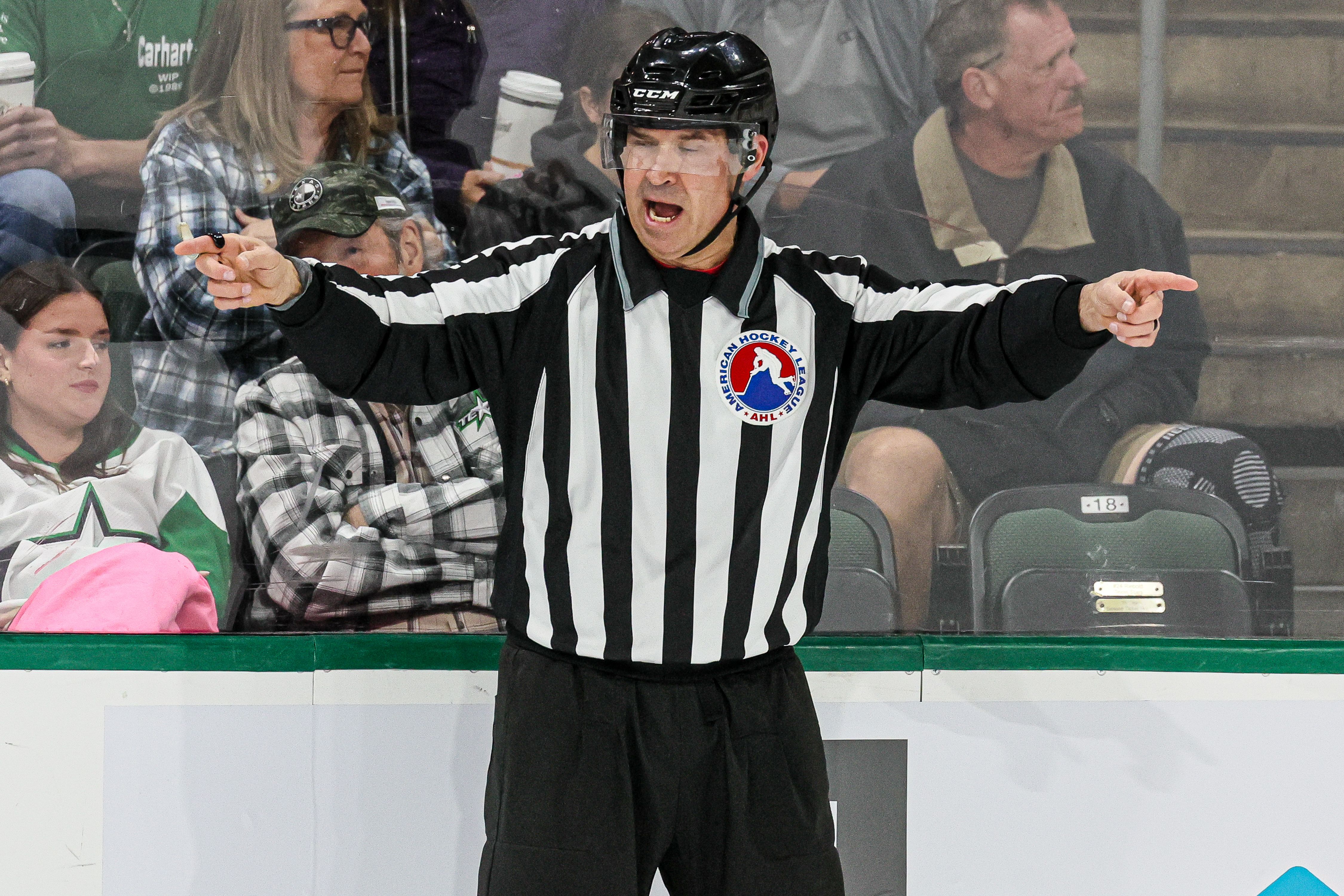
Hockey officiating video lessons & development
Watch free video lessons from Carl Sasyn, then go deeper with educational articles on positioning, mechanics, game management, and remote supervision — all drawn from 30 years of professional on-ice experience.
Watch before you book an evaluation
See the expertise behind every ASASYN evaluation. These free previews show exactly how Carl breaks down officiating performance on video.
Program Introduction
What ASASYN Hockey Officiating Performance is, who it's for, and how remote video evaluation works — straight from founder Carl Sasyn.
Read: Remote Supervision10 Mistakes Hockey Referees Make
Carl Sasyn walks through the ten most common hockey officiating mistakes and the specific corrections that fix them — the same standard behind every ASASYN evaluation.
Read the Full ArticleWhat strong officiating development looks like
Every ASASYN evaluation is built around six core development categories. Understanding them is the first step to improving in each one.
Positioning & Angles
Where you position yourself relative to the play — and how your angles affect what you can and can't see in the moment.
Officiating Mechanics
On-ice technique: skating, stops and starts, signaling, and the physical execution of the officiating role.
Judgment & Decision-Making
How you read situations and apply the ruleset, including the timing and consistency of calls and no-calls.
Game Management
How you manage the flow of the game, handle pressure situations, and maintain control across shifting conditions.
Communication & Crew Support
How you interact with your crew, players, and benches — and how well you support your partner.
Professional Presence
The authority, composure, and professionalism you bring to the rink on and off the ice.
Getting the most from a video evaluation
A video evaluation is most useful when the footage and questions are clear. Here's how to prepare so the review is accurate and actionable.
Capture authorized game footage
Use a stable angle that shows the official and the play. Authorization to use the footage for evaluation is required.
Identify situations to review
Note timestamps for key situations — breakaways, odd-man rushes, faceoffs, penalty sequences — so the review focuses on what matters.
Submit with development questions
Share two or three specific questions you'd like the evaluator to address, so the feedback is built around your goals.
Apply the priorities in your next game
Each evaluation ends with three next-game priorities. Take them onto the ice and track your progress across reviews.
Officiating development, from the ice up
Practical articles drawn from 30 years of professional on-ice experience — positioning, mechanics, game management, video evaluation, and remote supervision for officials and the organizations that develop them.
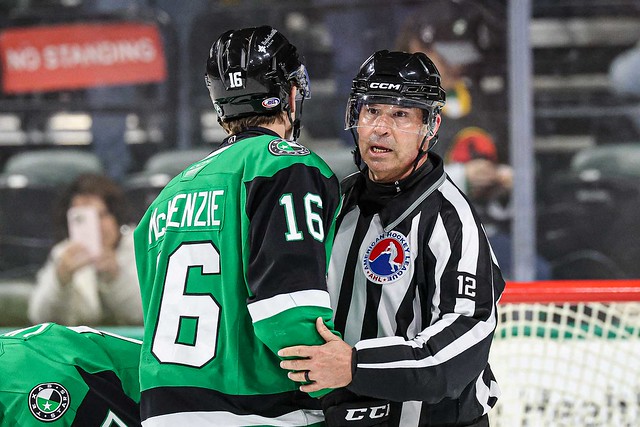 Video
10 Mistakes Hockey Referees Make and How to Correct Them
Most officiating errors are repeatable habits, not one-off lapses. Here are ten I see most often in video review — and the specific corrections that fix them.
Why Every Hockey Official Needs Professional Video Evaluation
You can't fix what you can't see. Video evaluation gives officials the consistent, individualized feedback that in-person supervision simply can't deliver reliably.
VideoHow Remote Supervision Is Changing Hockey Officiating Development
Remote supervision lets associations evaluate every official consistently, regardless of geography. Here's how it's changing the development model.
Positioning, Presence, and Professionalism: What Separates Good Officials From Great Ones
Good officials get the calls right. Great officials control the game before the call is ever needed. The difference lives in three things.
How Hockey Associations Can Improve Officiating Without Increasing Travel Costs
Travel is the single biggest limit on how many officials an association can supervise. Here's how to remove it without lowering your standard.
What 30 Years of Professional Hockey Officiating Taught Me About Game Management
Game management isn't about calling more penalties. It's about reading the temperature of a game and knowing when — and when not — to act.
Put development into practice
These are the paths officials and organizations take to turn education into measurable improvement.
Individual Officials
Learn how a personalized evaluation is built around your game.
Explore Individual EvaluationsAssociations & Leagues
Build a consistent supervision program across your roster.
Explore Association Programs
Better Officials Start With Better Feedback
Education is the foundation. A professional evaluation turns it into specific, actionable development you can take to your next game.